


Your Lymphatic Reset: Daily Steps to Support Detox
Feeling puffy, sluggish, or bloated? It could be your lymphatic system in need of some TLC. Maybe you’ve noticed swelling in your hands or feet after a long day, or you find it hard to shake off frequent colds or minor infections. Some people even struggle with brain fog, achiness, or stubborn fluid retention that just won’t go away.
These symptoms can be linked to poor lymphatic circulation. The lymphatic system helps remove waste, toxins, and excess fluid from the body. But unlike blood, lymph doesn’t have a pump. It relies on movement, hydration, and daily habits to keep things flowing. When it’s sluggish, waste builds up, and you feel it.
Fortunately, there are many natural ways to support healthy lymphatic drainage. Let’s explore the foods, supplements, herbs, and simple practices that can help you feel lighter, clearer, and more energized.
1. Eat Foods That Naturally Support Lymph Flow
Your diet plays a big role in how well your lymphatic system works. Eating anti-inflammatory, antioxidant-rich foods can help the body flush out toxins and reduce swelling.
Some great options include:
● Dark leafy greens like kale, spinach, and arugula
● Cruciferous vegetables like broccoli, cabbage, and cauliflower
● Berries, citrus fruits, and pomegranates
● Avocados, olives, and extra virgin olive oil
● Omega-3-rich fish such as wild salmon or sardines
● Raw nuts and seeds
Try to limit foods that are inflammatory or processed, especially refined sugar, artificial ingredients, fried foods, and excess sodium, which can all slow down your body’s natural drainage.
Don’t forget to stay well-hydrated. Lymph is 90% water, and even mild dehydration can thicken the fluid and slow circulation. Herbal teas like nettle, ginger, or dandelion can also support fluid movement.
2. Key Supplements and Nutrients to Consider
Certain nutrients and plant compounds are known to support the lymphatic system:
● Omega-3 fatty acids: These help reduce inflammation and improve circulation, which can support lymph flow.
● Flavonoids like hesperidin (from citrus) and hydroxytyrosol (from olives) show promise in supporting vascular and lymphatic health.
● Magnesium: Some people find topical magnesium oil helpful for reducing puffiness or fluid retention when used with massage techniques.
● Vitamin A, C, and E: These antioxidants support the integrity of blood vessels and help neutralize free radicals.
Always talk with a knowledgeable practitioner before starting supplements, especially if you’re dealing with chronic illness, are pregnant, or taking medications.
3. Herbs For Lymphatic Support
Many traditional herbs are used to support lymph flow and detox:
● Cleavers: Often used in teas or tinctures to help the lymph system drain and reduce congestion.
● Red root: Believed to support lymphatic cleansing and reduce stagnation.
● Dandelion and burdock root: Support liver and lymph detox pathways.
● Calendula and echinacea: Known for immune support and lymphatic movement.
Spices like ginger, turmeric, garlic, and rosemary can also improve circulation and lymphatic tone. Try incorporating them into your cooking or as warm infusions.
4. Lifestyle Habits That Stimulate Lymphatic Flow
The lymph system depends heavily on movement and physical stimulation. Here are a few simple ways to encourage better flow:
● Diaphragmatic breathing: Deep belly breathing gently massages lymph vessels and helps move fluid toward the chest area for drainage.
● Daily movement: Walking, yoga, or rebounding (gentle bouncing on a mini-trampoline) can dramatically improve circulation.
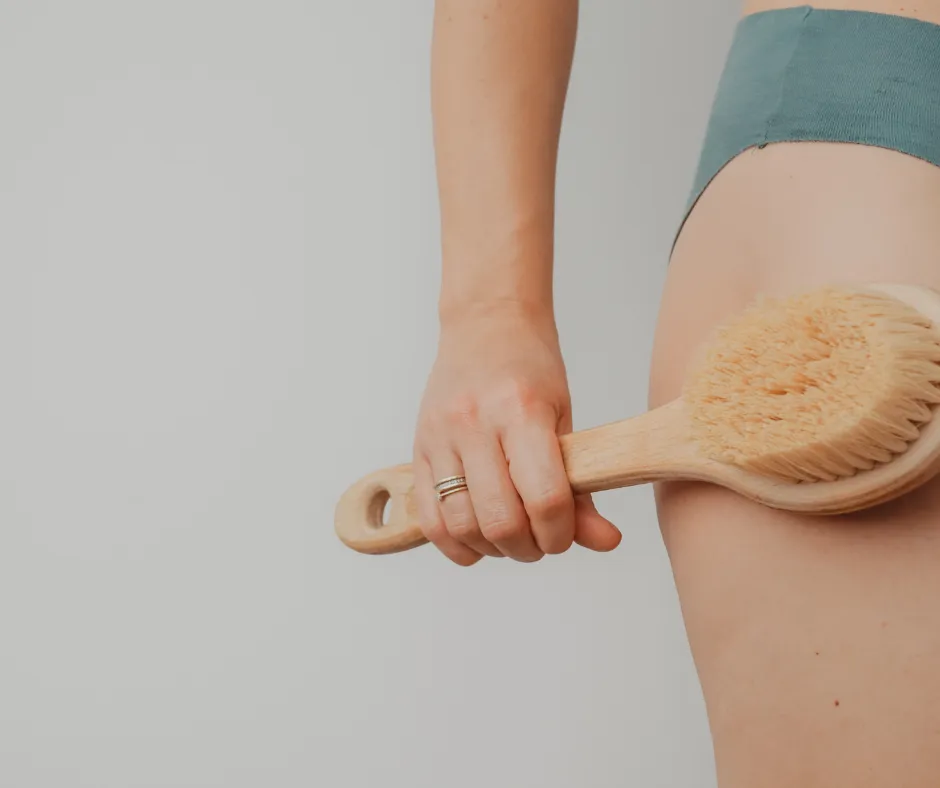
● Dry brushing: Using a natural bristle brush on dry skin before showering can stimulate superficial lymph vessels.
● Contrast showers: Alternating between warm and cool water helps create a pumping action in the lymph system.
● Manual lymphatic drainage (MLD): A gentle massage technique performed by a trained professional that encourages lymph flow and reduces swelling.
● Compression and foam rolling: These apply physical pressure to tissues, helping reduce puffiness and move trapped fluid.
● Infrared sauna sessions: These may enhance circulation and promote sweating, which supports detox.
Building a Personal Lymphatic Wellness Routine
The best approach is a combination of nutrition, movement, herbal support, and hands-on care. Here’s how to build a routine:
● Morning: Start with warm water and lemon, a dry brush session, followed by a contrast shower.
● Midday: Go for a walk, stretch, or take 10 minutes to breathe deeply.
● Evening: Enjoy an herbal tea, light massage, or soak in a Epsom salts bath.
By making these small daily changes, you can naturally encourage lymph flow and reduce symptoms like swelling, fatigue, and brain fog. Over time, these habits support your overall detox capacity.
References
- Cleveland Clinic. (n.d.). Lymphatic System: Function, Conditions & Disorders. Retrieved from https://my.clevelandclinic.org/health/body/21199-lymphatic-systemmy.clevelandclinic.org
- StatPearls. (2023). Anatomy, Lymphatic System. National Center for Biotechnology Information. Retrieved from https://www.ncbi.nlm.nih.gov/books/NBK513247/
- Bonetti G, Dhuli K, Michelini S, Michelini S, Michelini S, Ricci M, Cestari M, Bertelli M. Dietary supplements in lymphedema. J Prev Med Hyg. 2022 Oct 17;63(2 Suppl 3):E200-E205. doi: 10.15167/2421-4248/jpmh2022.63.2S3.2761. PMID: 36479479; PMCID: PMC9710411.
- Wheat, J., Currie, G., Kiat, H., & Bone, K. (2009). Improving Lymphatic Drainage with Herbal Preparations: A Potentially Novel Approach to Management of Lymphedema. Australian Journal of Medical Herbalism, 21(3), 66–70.researchers.mq.edu.au
- Tashiro, K., Sugaya, N., & Koyama, H. (2023). Lymphatic Flow Dynamics Under Exercise Load Assessed with Magnetic Resonance Lymphangiography. Scientific Reports, 13, 99416. https://doi.org/10.1038/s41598-025-99416-8nature.com
- Sheikhi-Mobarakeh Z, Yarmohammadi H, Mokhatri-Hesari P, Fahimi S, Montazeri A, Heydarirad G. Herbs as old potential treatments for lymphedema management: A systematic review. Complement Ther Med. 2020 Dec;55:102615. doi: 10.1016/j.ctim.2020.102615. Epub 2020 Nov 9. PMID: 33221590.