
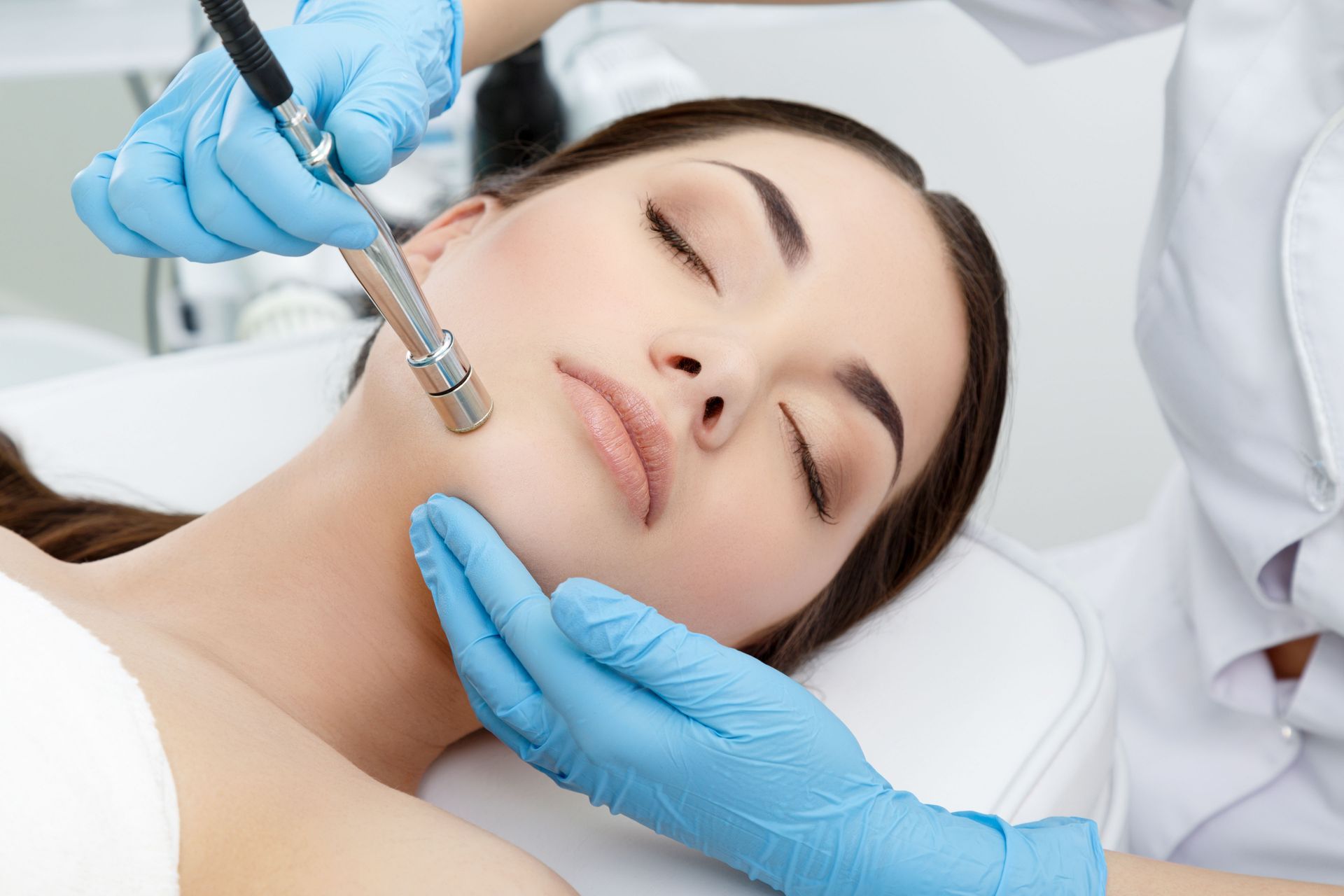
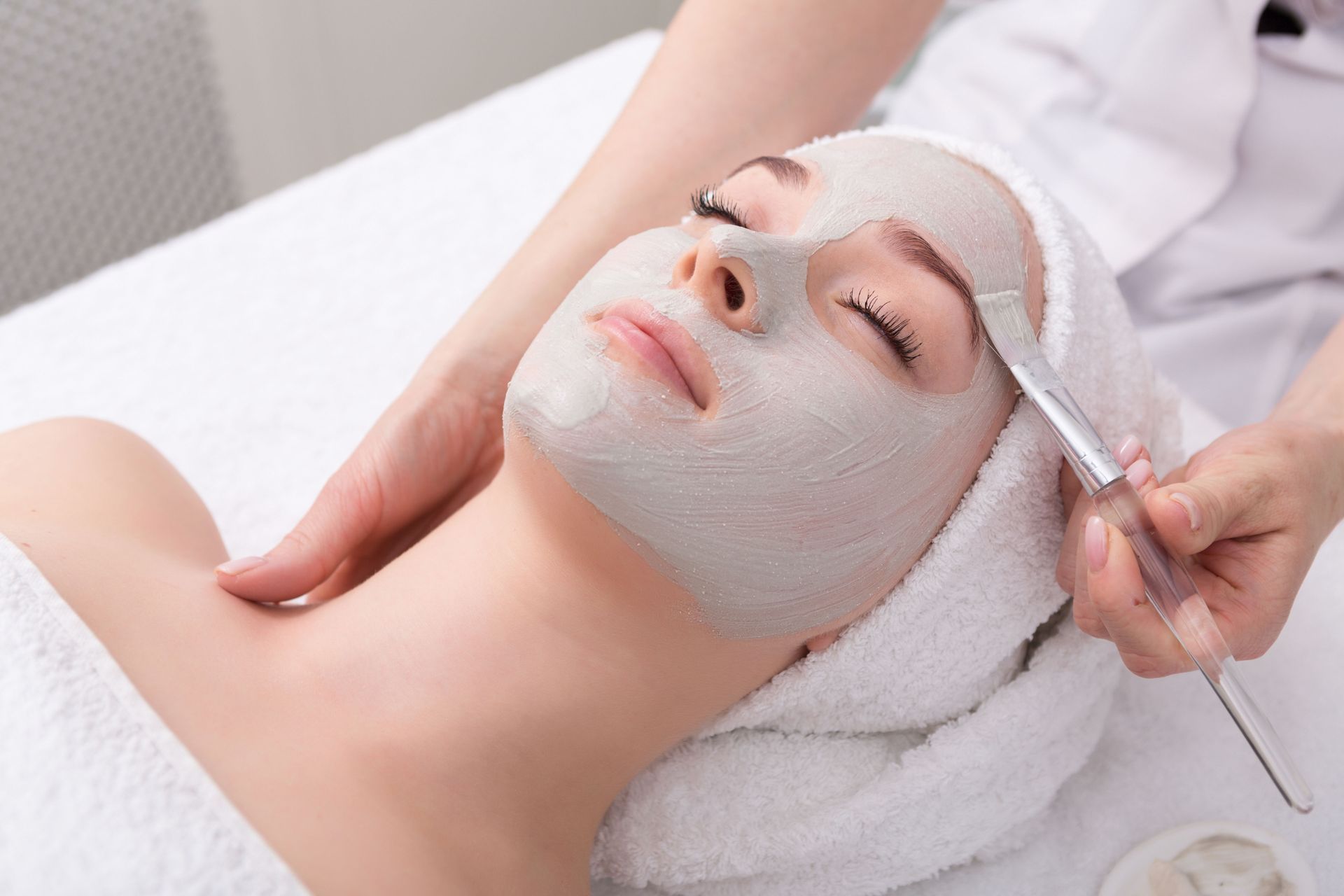
In today's fast-paced world, self-care is more essential than ever. While many strive for wellness and balance, visiting a local medspa might just be the transformative step you need. In this guide, we explore the numerous benefits of incorporating medspa visits into your self-care routine. Medspas offer comprehensive services that cater to both physical appearance and mental wellness, making them a holistic solution. Whether you're looking for advanced skin therapies or a peaceful sanctuary to unwind, a local medspa provides a myriad of options to improve your overall well-being. 1. Personalized Skincare Treatments One of the most significant advantages of visiting a medspa is having access to professional skin assessments. Skilled professionals evaluate your skin, noting specific needs and conditions you might not be aware of. This tailored assessment ensures that the treatments you receive are the best fit for your unique skin profile. Such evaluations also prevent using products or procedures that might be ineffective or even harmful to your skin type. Consequently, the personalized approach significantly enhances the efficacy of the treatments. Customized facials play a pivotal role in transforming your skin health and appearance. Designed to address particular concerns such as acne or pigmentation, these facials utilize targeted ingredients and techniques. The result is a more radiant and clearer complexion that complements your overall aesthetic goals. Furthermore, having a facial specifically tailored to your skin means you benefit from a personalized experience that yields real, noticeable results. This approach maximizes the positive effects, leaving your skin looking rejuvenated. Medspas offer advanced skin therapies, such as microdermabrasion and chemical peels, which take skincare to a higher level. These treatments are renowned for efficiently exfoliating the skin, removing dead layers, and revealing a fresh, healthier layer beneath. Not only do they improve texture, but they are also effective in reducing fine lines and hyperpigmentation. In addition, medspas often use top-of-the-line equipment to ensure the safety and effectiveness of these procedures. Incorporating such advanced treatments into your regimen can significantly boost your skin's health and appearance. 2. Stress Reduction and Relaxation Local medspas are designed to be sanctuaries of tranquility, instantly transporting you from the chaos of everyday life. The serene settings are equipped with calming aesthetics, soothing music, and aromatherapy, creating an environment ideal for relaxation. This intentional atmosphere invites you to pause, breathe, and decompress. In such a space, daily worries seem to dissipate, allowing for mental relaxation. Moreover, these tranquil experiences help in resetting your mental well-being, offering lasting peace long after the visit. Soothing treatments, such as massages and other stress-relief therapies, are cornerstones of the medspa experience. These personalized sessions aim to release tension from both the body and mind. Regular engagement with such therapies can lead to improved mental health and reduced anxiety. Recognizing the therapeutic benefits, many clients make medspa visits a part of their routine; in fact, according to Workee, 83% of medical spa customers now consider themselves regulars, with most visiting monthly. These techniques promote healing and relaxation, enabling you to emerge feeling restored and reinvigorated. In addition to physical therapies, some medspas offer mindfulness and meditation sessions to complement their treatment menus. These services encourage clients to cultivate a deeper awareness of their inner selves. Engaging in mindfulness practices can lead to a reduction in stress levels and an improvement in emotional resilience. Guided meditation sessions offered in these wellness retreats often enhance the transformative aspect of the visit, fostering a comprehensive approach to health. Integrating mindfulness into your routine can holistically improve mental clarity and overall well-being. 3. Access to Cutting-Edge Technology Medspas provide access to innovative skin solutions that utilize the latest technologies and methodologies. These modern techniques are often rooted in extensive research and development, ensuring they are both effective and safe. Clients can enjoy the benefits of devices that revolutionize how specific conditions like acne scars and uneven skin tone are treated. This constant updating of technology allows medspas to offer more diverse, tailored, and precise skincare options. The result is healthier and more vibrant skin, thanks to the adoption of cutting-edge tools. Laser treatments are among the advanced offerings at medspas, providing solutions for hair removal and skin rejuvenation. Utilizing controlled laser energy, these treatments are precise, targeting specific areas without damaging surrounding tissue. Clients frequently report not only reduced hair growth but also softer, smoother skin post-treatment. Regular laser sessions contribute to long-term skin health by encouraging the natural production of collagen. These procedures are generally quick, effective, and have minimal downtime, making them a popular choice for busy individuals. Non-invasive body contouring techniques offered at medspas, like CoolSculpting, provide clients with transformative body reshaping options. These procedures target stubborn fat pockets without the need for surgery, thereby eliminating the risks associated with invasive operations. Sessions are often quick and straightforward, appealing to those with tight schedules seeking effective body transformation. Such treatments ensure comfort, safety, and visible results, enhancing the client's confidence. These procedures have become an integral part of modern local medspa services, catering to a wide array of aesthetic goals. 4. Boosted Confidence and Self-Esteem One of the primary reasons people frequent medspas is the promise of visible improvements in their appearance. Whether through skin treatments or body contouring, these results significantly enhance self-confidence. As clients see positive changes in their appearance, their self-esteem improves, impacting their social interactions and personal relationships positively. The changes often encourage clients to adopt healthier lifestyles, as seeing their improved image serves as a daily reminder of the benefits of self-care. Consequently, medspa visits offer emotional rewards that go beyond physical transformations. Taking charge of your wellness through regular medspa visits fosters a sense of empowerment. It encourages individuals to prioritize themselves, recognizing the importance of self-care in their lives. Engaging in treatments that enhance appearance and mental health translates to feelings of control and optimism. This empowerment extends into other areas of life, where individuals become more proactive in maintaining their holistic well-being. In essence, committing to self-care instills a renewed sense of self-worth and assertiveness. The benefits of medspa treatments create a positive feedback loop, where looking better externally results in feeling better internally. This cycle encourages ongoing personal investment in health and beauty routines. As individuals receive compliments and notice improvements, their motivation to continue these efforts increases. Such encouragement strengthens the commitment to regular medspa visits and adherence to skincare regimens. Ultimately, this cycle lends itself to sustainable self-improvement and happiness, fueling a resilient personal care habit. 5. Holistic Approach to Well-Being A defining aspect of medspa services is their emphasis on providing comprehensive health evaluations. These evaluations extend beyond cosmetic concerns, assessing general health markers and lifestyle factors. Such a thorough approach ensures clients receive treatments that align with their overall health goals. By understanding each client's unique health profile, medspas can develop personalized plans targeting both physical and mental wellness. This holistic evaluation promotes optimal well-being, reinforcing the importance of mind-body balance in maintaining long-term health. Medspas often integrate additional wellness services, including nutritional advice and physical health guidance, offering a one-stop shop for self-care. These services are curated to complement the aesthetic treatments, ensuring a well-rounded approach to wellness. Clients benefit from cohesive wellness plans that take various aspects of health into account, from diet to stress management. This integration maximizes the efficacy of treatments and supports holistic lifestyle changes. By providing a range of services, medspas facilitate comprehensive self-care practices, encouraging sustainable health improvements. Incorporating a local medspa into your self-care routine offers a wealth of benefits, from personalized treatments and advanced technology to enhanced confidence and holistic well-being. Medspas provide a multi-faceted approach to health, addressing both aesthetic and psychological needs through comprehensive service options. Prioritizing self-care through regular visits empowers individuals to invest in their long-term health, fostering a rewarding relationship with personal wellness. By making medspa visits a habitual part of your lifestyle, you embrace continuous self-improvement, reflection, and empowerment. This commitment to self-care paves the way for sustained happiness and fulfillment, enriching your quality of life. For more information about the services that we offer, reach out to our incredible team at Me Wellness & Med Spa today!
These insights help you navigate every aspect of a medical spa with confidence, supporting informed decisions, safe treatments, and an enjoyable experience.

Science Finally Caught Up—Here’s What Women Should Know About Estrogen, Safety, and the WHI Debacle For more than 20 years , women have been told to fear hormone replacement therapy—especially estrogen. And it all goes back to one study: the Women’s Health Initiative (WHI) . The problem? The WHI’s conclusions were misinterpreted , misreported , and applied to the wrong women for two decades… leaving millions afraid of a therapy that could have actually helped them. But now something huge has happened: 👉 The FDA has officially removed the Black Box warning for estrogen therapy. 👉 The North American Menopause Society (NAMS) has confirmed HRT is safe and beneficial for most healthy women under 60 or within 10 years of menopause. This is a monumental shift—and long overdue. Let’s break it all down in simple, real-woman language. What Went Wrong With the WHI? The WHI was launched in the 90s with one goal: understand risks of hormone therapy in menopausal women. But here’s the issue… ❌ 1. The average participant was 63 years old Most were 10+ years post-menopause , when cardiovascular and metabolic risk is already higher. ❌ 2. Many participants already had underlying health issues Obesity, smoking history, and cardiovascular disease were common—stacking the deck against hormone therapy. ❌ 3. They used synthetic hormones Not bioidentical hormones. Not personalized doses. Not transdermal or optimal delivery methods. ❌ 4. Media headlines caused unnecessary panic Instead of highlighting nuance, the headlines shouted: “Hormones cause cancer!” …even though the actual risk increase was statistically tiny, and estrogen alone showed no increased risk of breast cancer. This misinformation spread like wildfire—and it stuck. So What’s Changed Now? ✨ The FDA has removed the Black Box Warning on estrogen. This means the highest level of caution is no longer justified based on the evidence. ✨ Modern research shows… Estrogen reduces all-cause mortality in younger postmenopausal women Estrogen protects heart, brain, bones, and metabolism Starting HRT within 10 years of menopause is where the strongest benefits live Transdermal and bioidentical options offer excellent safety profiles ✨ The North American Menopause Society now states: For most healthy women under 60 or within 10 years of menopause, HRT’s benefits outweigh the risks. FINALLY. What This Means for YOU Women now have permission—backed by research—to reclaim their health without fear-based messaging. Estrogen therapy can help with: Hot flashes & night sweats Sleep struggles Anxiety & mood changes Weight gain (especially belly fat) Brain fog Vaginal dryness & painful intimacy Bone loss Skin and hair changes Cardiovascular protection This isn’t about vanity. This is about function, quality of life, longevity, and prevention . My Take as a Functional Medicine & Hormone Provider For years, I’ve seen women suffer because they were told: “Your labs are normal.” “It’s just aging.” “HRT is dangerous.” “You’ll just have to deal with it.” ❌ Women deserve better. ❌ Women deserve accuracy. ❌ Women deserve options. HRT isn’t for every woman—but it is a powerful, evidence-based therapy that can transform health when used appropriately. The WHI narrative kept women in fear for decades. Now, that chapter is finally closing. Ready to Explore Whether HRT Is Right for You? I offer free hormone consultations so we can: Review your symptoms Look at your health history Discuss safe, modern HRT options Explore lifestyle strategies to support hormones naturally Create a personalized plan that aligns with your goals ✨ BOOK YOUR FREE HORMONE CONSULT ($100 VALUE) Let’s bring clarity, safety, and confidence back to your hormone journey.